
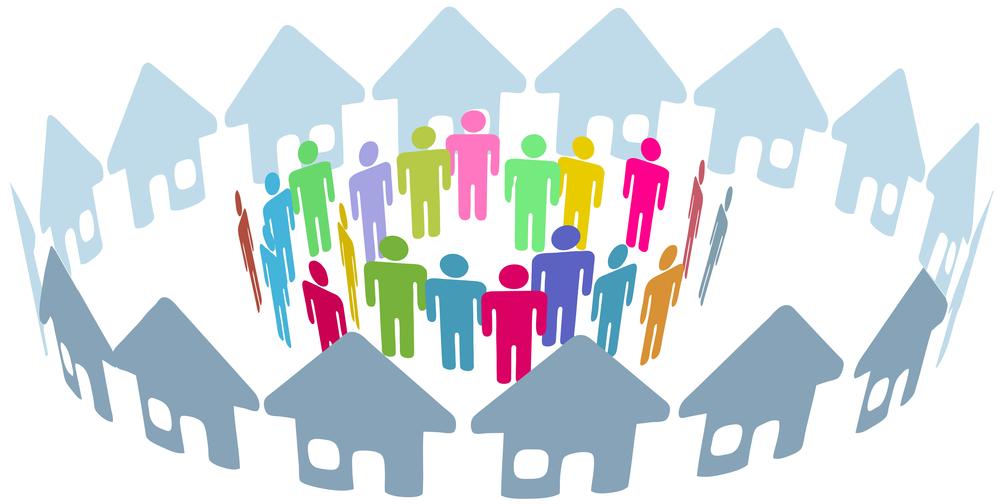
Having the resources to help your community achieve its goals can be difficult, especially if you don’t have the experience or expertise necessary to start your own development project. But don’t let that stop you from making positive change! You just need to know where to begin and how to approach this kind of project in the most effective way possible, which is what this guide will teach you. Whether you want to get started on an initiative in your local area or open your own NGO, these steps will take you through how to start a community development project.
1) Gather Support
Of course, you’ll want your project to succeed, but others might not be quite as enthusiastic about its success as you are. If people in your community aren’t on board with what you’re doing, start by involving them in every step of development and gather support from them. It can also help to present your plans at town hall meetings or other public events—let everyone know what you’re working on and why it matters. Be transparent with your progress and ask for feedback along the way; once people see that they have some say in how things turn out, they’re more likely to get behind your efforts. Also, keep an eye out for those who might have good ideas or resources you could use; collaborate whenever possible! Finally, don’t forget to reach out to local organizations (like churches or schools) for assistance; often these groups already have programs in place that could easily be expanded into something bigger. And if there isn’t a program that fits exactly what you need, offer to train volunteers to run their own community development projects. There are plenty of opportunities for growth all around us; we just need to open our eyes and make connections between different needs and services in our communities.
2) Budget And Plan
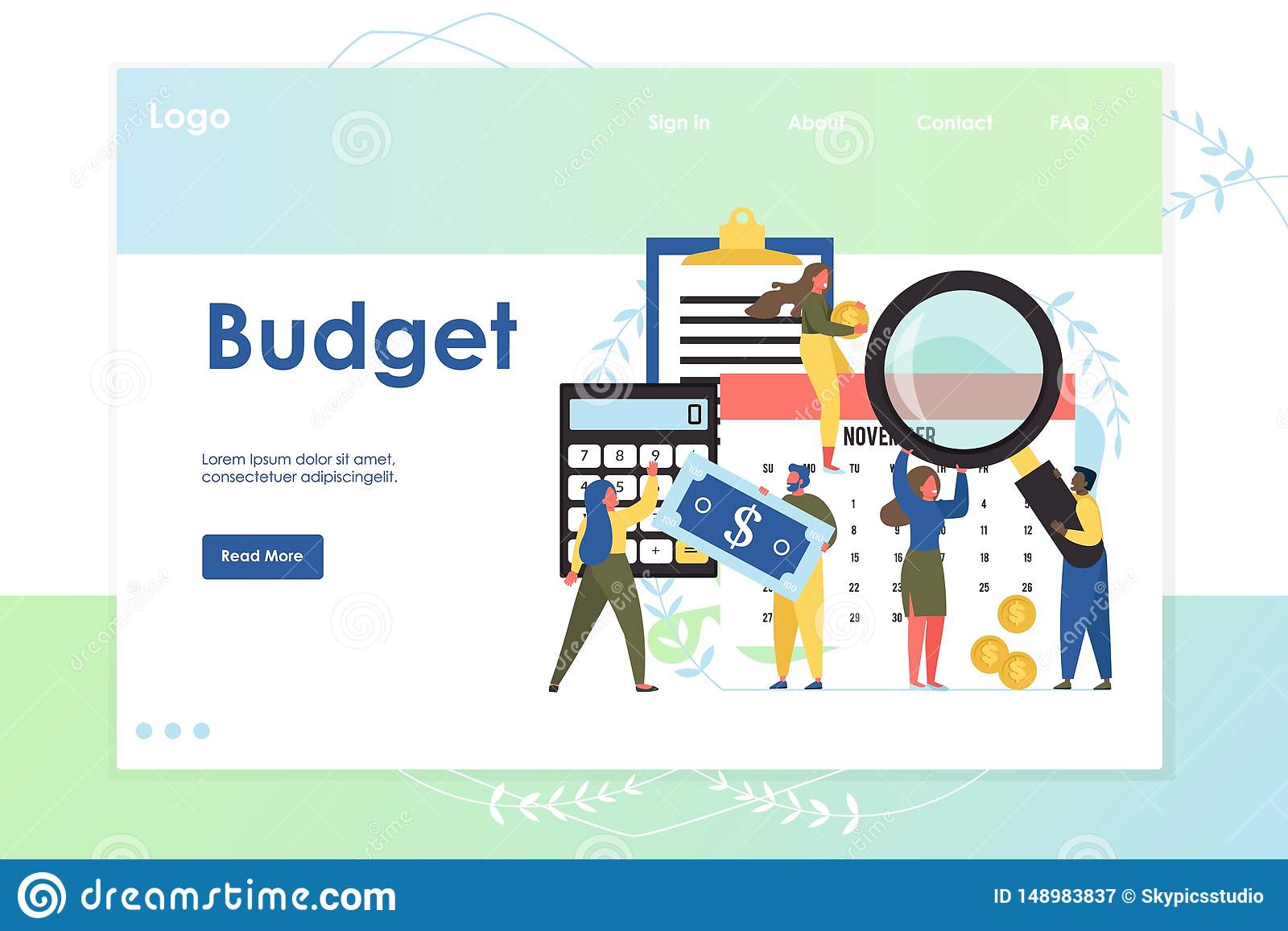
Before you begin recruiting volunteers and partners, you’ll need to set aside some money. For smaller community development projects, your operating costs may not exceed $10,000. But even if it’s less than that, you should still plan for it—even with nonprofits, cash flow is always an issue. Without enough cash in hand, volunteer efforts will stall quickly. If you don’t have access to start-up funds, look into fundraising or grant opportunities. Once you have funding, make sure everyone on your team knows how much money is available so they can prepare accordingly. Also, try to keep track of expenses as best you can. You won’t get reimbursed until after your project is complete, but having documentation of expenses will help when it comes time to apply for grants or seek out additional donations. Make sure all members of your organization are committed to working within their means. A small financial commitment goes a long way toward ensuring that no one feels pressured to spend beyond their means. This will also prevent any resentment among participants who are uncomfortable spending their own money. To further reduce costs, ask businesses for donated goods and services; local restaurants might be willing to donate food at reduced prices or offer group discounts, for example.
3) Design The Program
The first step in developing any program is determining what it’s going to look like. In order for an initiative to be effective, it has to be designed with your target community in mind. Make sure you have all of your constituents’ voices heard throughout every stage of design and implementation. If you don’t know where to start, there are plenty of resources available online that can help guide your planning process. Here are some helpful links:
The following steps will help get you started on designing a successful community development project: #1. Define your goals and objectives. Be specific about what you want to accomplish and why it’s important. Identify barriers that may prevent you from reaching your goals, and develop strategies for overcoming them. Then, create an action plan with concrete tasks for achieving each goal or objective. #2. Get input from all stakeholders in your community. To be effective, any program needs buy-in from everyone who is affected by it—and that includes people of all ages, races, ethnicities, incomes levels, genders, sexual orientations, religions and political affiliations. Make sure to identify which individuals or groups are most likely to benefit from your initiative and engage them early on. Also, don’t forget about those who might not directly benefit but could still have valuable insights into how to improve things for others. #3. Keep track of progress over time. It can be tempting to focus only on short-term outcomes when launching a new initiative—but remember that real change takes time! Track your progress regularly so you can adjust course as needed. You should also consider using surveys and interviews to gather feedback from constituents along the way. #4. Ensure sustainability before moving on to other projects. While it’s important to celebrate success along the way, keep in mind that creating sustainable change requires more than just one big push—it involves continuous evaluation and adjustment based on feedback from all involved parties. This means planning for ongoing funding, staffing and partnerships even before you launch your first initiative. If there are external partners involved, make sure they understand their role in keeping your project going long after it’s launched. #5. Evaluate whether what you’re doing is working. In order to adapt effectively, communities need to know whether their programs are helping achieve their goals—and if not, why not? One of the best ways to evaluate whether a project is making progress toward its goals is to conduct regular evaluations. These evaluations can take many forms, such as surveys or interviews, and should be designed specifically for your particular community and its needs. Whatever form they take, evaluations provide invaluable information about what’s working well (or not) in your initiative—information you can use to shape future plans accordingly. #6. Disseminate lessons learned throughout your organization and beyond. As soon as you finish an initiative, begin thinking about how you can share what you’ve learned with others inside and outside of your organization. A great way to do this is through written materials like reports or toolkits that detail key lessons learned during implementation, including tips for avoiding common pitfalls or challenges.
4) Build A Website
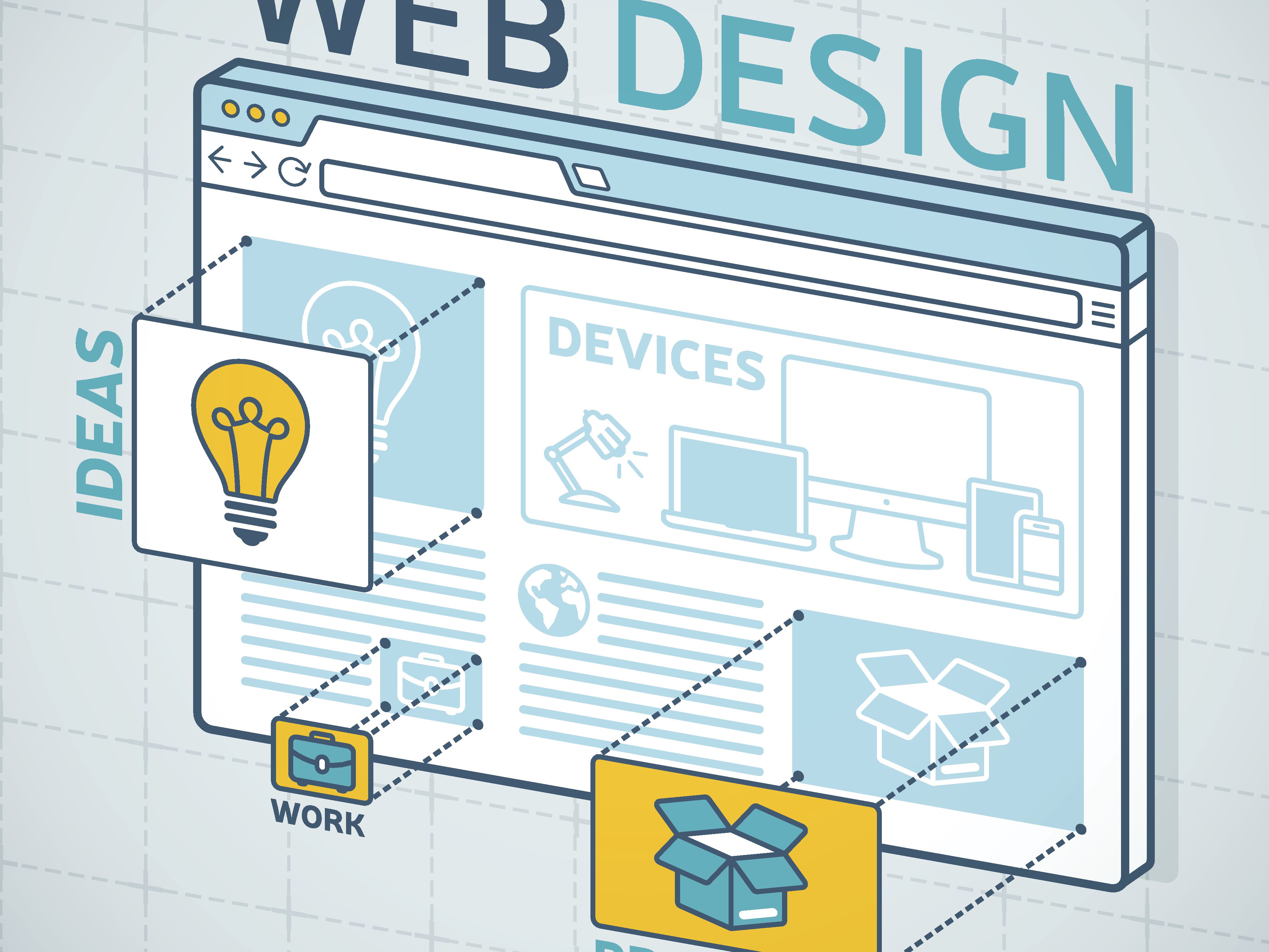
Building a website will be one of your most important marketing tools. Your site will establish credibility and give people an easy way to learn more about you and your ideas. Use WordPress, Wix, Squarespace or something similar; these sites make it very easy for first-time entrepreneurs like yourself to set up their own website. Just remember that you’ll need to keep it updated with fresh content in order to drive traffic back to your site and build trust. As you write articles, include links to them on your site. You can also use social media platforms such as Facebook and Twitter to share links from your website. As long as you’re writing great content that adds value to readers’ lives, they’ll continue visiting and sharing your work! It’s a win-win situation for everyone involved. To get started, check out our guide on how to start a website .
2) Create A Digital Asset (Website/Social Media Profile) For Yourself And Link To It From Your Articles: When you write an article related to your business niche, don’t forget to add links to all of your digital assets including: Facebook page LinkedIn profile Pinterest board Twitter account 3) Contact People Who Share Your Content On Social Media To Connect With Them Personally: After someone shares one of your articles on social media, send them a personal message thanking them for taking time out of their day to do so. Then ask if they’d be interested in connecting with you personally via email/phone/Skype etc.
5) Promote Your Program Online

You’ve put in all of that hard work, now it’s time to get other people excited about your program and what you do. Think beyond printed materials and email blasts – social media is perfect for community development projects because it allows you to engage more personally with potential customers. Think about what your target audience would use social media for, and then turn around and use those same principles for your own community development project. Want real-time updates? Try Twitter or Facebook. Looking for a place to share photos? Try Instagram or Pinterest. Looking for an outlet where you can ask questions and get answers from like-minded individuals? Try Reddit or Quora. The possibilities are endless! If you aren’t sure how to navigate social media, try Googling [your industry] + [social media]. This will give you articles on how professionals in your field have successfully used social media as well as tips on getting started. Don’t be afraid to experiment; just make sure you take some time to document what works so that next time around things go even smoother.
6) Document Your Progress
After you start your project, track your progress. It’s easy to lose sight of what you’re doing when you’re working hard on something and days are flying by. If you keep a running log or journal, writing down what you’ve done each day, it’ll be easier for you to notice when things aren’t going well and make adjustments accordingly. On top of that, if others are helping out with your project they can also read over how far along things have come which will give them more motivation to help out. The act of recording helps us see our progress in ways we might not otherwise see. Plus, if all goes well, after some time has passed you’ll be able to look back at where you started and marvel at how far you’ve come! What you’ll need: Notepad and pen/pencil/marker Calendar (optional)
7) Celebrate Success

Instead of feeling embarrassed by past failures, celebrate what you’ve learned from them. You know what you’re capable of—that means you can now confidently set your sights on even more ambitious goals. When something great happens (or doesn’t happen), make sure that you don’t discount your success or avoid taking credit for it. Stop letting past failures dictate your future, and you might find that failure no longer has as much power over you as it once did. If you have an opportunity to give back, take it: It will be good for your community and good for your business.
What advice would you give someone starting out in public relations?
Write a professional letter based off the following description:
To whom it may concern, I am writing with regards to my interest in being considered for an internship position at ABC Company.
 Green World Evolution
Hi coach
How do you do? Thank you do much for your work in the suinstanable sector in Africa .
Please how can we develop international partnershisp in the Green sector in Africa ?How an we have donors ?Can I suggest you some donors like CultivAid?Concordia?Winrock International? International Trees Foundation?Agroxy Africa ?FARMSTER ?
Can we begin an pilot project for exemple in Tanzania?
Warms Regards
Ezéchiel SONG NKA’A
LikeLike